Fish in Madeira is at its best when it has travelled the least: a tuna steak in the town where the tuna boats unload, an espada in the harbour where the night boats come in, limpets off the rocks you can see from the table. The places below run round the island harbour by harbour, with a short guide first to what is actually local and how not to be surprised by the bill.
In short
- Local means espada (black scabbardfish), tuna, limpets, octopus and small reef fish. Salt cod and most prawns are imported.
- Whole fresh fish is priced by the kilo, raw. Ask the weight and the total before it is cooked.
- The best seafood meals are in harbour towns: Câmara de Lobos, Caniçal, Paul do Mar, Seixal and the Funchal waterfront.
- Grilled with garlic, lemon and boiled potatoes is how locals eat it. The sauces are for visitors.
- Budget roughly €12 to €18 for a fish main in 2026 (approximate), and much more for a shellfish platter or a whole fish by weight.
What is local, and what is not
Madeira sits in deep water. There is almost no continental shelf, so the fish are either from the deep or from the rocks close to shore. That shapes every menu.
| On the menu | What it is | Local? |
|---|---|---|
| Espada | Black scabbardfish, deep-sea, soft and mild | Yes, the island’s fish |
| Atum | Tuna, as steaks or cooked with onions | Yes, landed at Caniçal |
| Lapas | Limpets, grilled with garlic butter | Yes |
| Caramujos | Winkles, eaten with a pin | Yes |
| Polvo | Octopus, grilled or stewed | Yes |
| Bodião | Parrotfish, grilled whole | Yes, less common |
| Chicharro | Horse mackerel, small, fried crisp | Yes |
| Espadarte | Swordfish steak | Sometimes |
| Bacalhau | Salt cod | No, imported, but a Portuguese staple |
| Camarão, lagosta | Prawns, lobster | Mostly imported |
Espada is the one to understand. It lives a very long way down, 800 metres and more, and is caught on long drifting lines, mostly by the Câmara de Lobos fleet, and looks frightening on the fish counter: long, black, with a mouth full of teeth. The fillet is soft and white. It comes grilled, fried in batter, or with fried banana, which is better than it sounds. At the Funchal fish market you can see them laid out every morning; The Fisherman’s Quarter walk starts there.
How to order fish without a surprise
- “Peixe do dia” or “peixe fresco”. The fresh fish of the day. Ask what it is and whether it is local.
- Priced by the kilo. Fish on ice at the door is sold whole, by weight, raw. A fish that looks like a portion for one can weigh 800 g. Ask: “Quanto pesa? Quanto fica?” (How much does it weigh? How much will it be?)
- Grilled is the default. “Grelhado” with boiled potatoes, a salad and olive oil. Ask for garlic butter with lapas; it usually comes anyway.
- Mariscada is a platter, and a big bill. A mixed shellfish platter for two is usually the biggest number on the menu, so ask the price before you order.
- Bread and butter. They arrive unasked and are charged if you eat them. See money, tipping and prices.
Where to eat seafood, harbour by harbour
This is our own selection, picked for the fish rather than the fame. Every island town with a harbour has a decent grill; these are the ones most worth planning a day around.
Funchal
The capital has the widest choice, and the highest prices. Three places, three very different meals.
- Gavião Novo, Zona Velha. At number 131 on Rua de Santa Maria, the old town street with the painted doors, and open every day from 11:00 to 23:00. A small fish house where the day’s catch decides the menu: grilled limpets, octopus, parrotfish, espada with banana, and a seafood rice for two. Mid-range prices (approximate; check the menu at the door). The dining room is small and the street tables fill first, so book for dinner. The Doors of Funchal walk takes you down the same street.
- Ákua, Rua dos Murças. Chef Júlio Pereira’s seafood-only restaurant in the city centre, open since 2019 and listed in the Michelin Guide. Modern plates built on island fish, at modern prices. One for a proper dinner, booked ahead.
- Doca do Cavacas, Ponta da Cruz. In São Martinho, right above the lava rock pools at the eastern end of Praia Formosa. Order lapas and watch the sun go down over the sea. Popular at sunset; book for dinner.
Câmara de Lobos
The home of the espada fleet, 20 minutes west of Funchal and the first stop on the West Coast audio tour.
- Vila do Peixe. Opposite the town market, with big windows over the bay. You pick your fish from the display, it is weighed in front of you, and then it goes on the grill. Espada is the obvious choice here. Also listed in the Michelin Guide.
The town has plenty of other grills around the harbour. On a weekday lunchtime, walking into whichever one has locals in it rarely goes wrong.
Caniçal: the tuna town
Caniçal, at the east end of the island, is where the tuna boats unload. Two very different ways to eat it. The Eastern Edge audio tour passes through, and either is a good lunch before or after Ponta de São Lourenço.
- Bar Amarelo, Largo Manuel Alves. A plain, busy café restaurant in the village, popular with locals as well as visitors. Tuna steak, limpets and grilled squid, at low prices. Service can be slow when it is full. Closed on Tuesdays.
- O Recante, Estrada de São Lourenço. On the road out towards the point, with chef Eusébio cooking the village’s own fish with more ambition: dried skipjack tuna, tuna stomach, limpets in escabeche. The place to try the parts of the tuna that never reach Funchal menus. Open every day from 12:00 to 22:00; roughly €22 to €31 a head (approximate). Book ahead.
The west: Paul do Mar
- Sol e Mar, Avenida dos Pescadores Paulenses. On the seafront road of the old fishing village at the end of the West Coast drive, with a terrace facing the sunset. Lapas with bolo do caco, grilled fish, and a fish stew for two that feeds more than two. Honest prices, surfers and locals at the next table. Closed on Wednesdays. If you walk down the Caminho Real do Paul do Mar, this is where you land.
The north-west: Porto Moniz and Seixal
The north coast is wetter and wilder, and so are the settings. The North-West audio tour covers both villages.
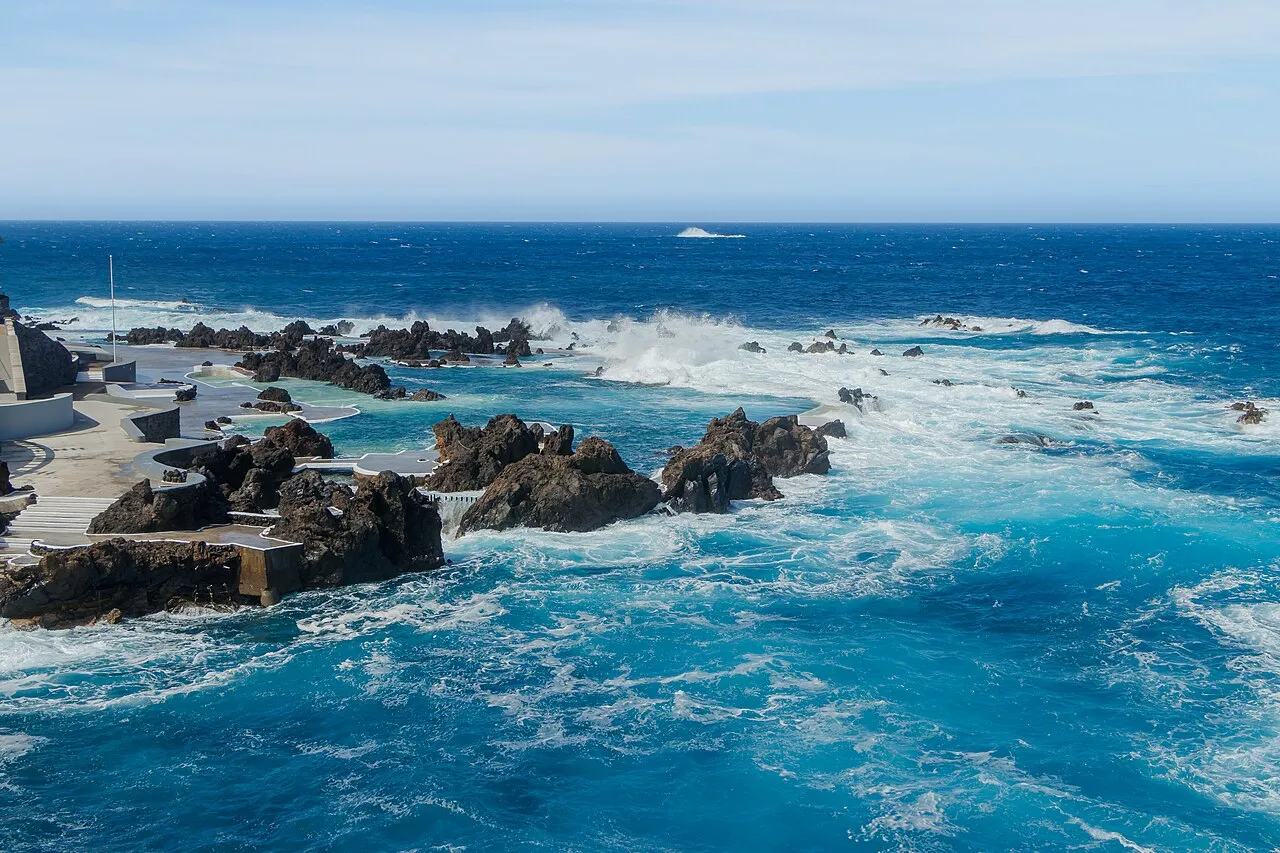
- Cachalote, Porto Moniz. Built into the black rock above the lava pools, serving since the late 1960s, with waves breaking just below the windows on a rough day. Lapas and espada with banana. It is large and popular with day-trippers, and reviews of the cooking are mixed; you come for the table by the glass. Ask for one when you arrive. It is a daytime place, listed as open 10:00 to 19:00, so make it lunch.
- Clube Naval do Seixal, on the quay. A small lounge bar at Seixal harbour, next to the natural pools. The dish to have is fried fish with limpet rice, and you need to order it about three hours ahead: ring in the morning, swim, then eat. Snacks and poncha otherwise. Closed on Tuesdays.
Seafood by setting
| You want | Go to |
|---|---|
| Limpets and a sunset in Funchal | Doca do Cavacas |
| Old town fish, any day of the week | Gavião Novo |
| A special dinner | Ákua |
| Espada where the boats come in | Vila do Peixe, Câmara de Lobos |
| A cheap tuna lunch where it is landed | Bar Amarelo, Caniçal |
| Tuna cooked with ambition | O Recante, Caniçal |
| A sunset dinner at the end of the west road | Sol e Mar, Paul do Mar |
| Waves at the window | Cachalote, Porto Moniz |
| Lunch after a swim on the north coast | Clube Naval do Seixal |
Honest notes
Fish is not cheap here, even by the sea: the island is small, the water is deep and fishing is hard work. Weather matters too. After a few days of rough sea, the boats stay in and the “fresh” fish may not be. Asking “é daqui?” (is it from here?) is normal, and a good restaurant will give you a straight answer. And a fine meal on the seafront in Funchal will cost noticeably more than the same fish in Caniçal or Câmara de Lobos.
For how fish fits into a wider Madeiran meal, see what to eat and drink in Madeira. The Tropi Guide app’s Fisherman’s Quarter walk takes you from the fish market to the harbour, so you can see where lunch came from.
Questions people ask
What fish is local to Madeira?
Black scabbardfish (espada), tuna, limpets (lapas), winkles (caramujos), octopus, parrotfish (bodião) and small fish like horse mackerel. Salt cod, most prawns and most lobster come from elsewhere.
Is espada the same as swordfish?
No. Espada is black scabbardfish, a soft white deep-sea fish. Swordfish is espadarte, a firm steak. Both are often on the same menu.
Why is the fish priced per kilo?
Whole fresh fish is sold by weight, raw. Ask what your fish weighs and what that comes to before it is cooked, so the bill is not a surprise.
Where is the best seafood in Madeira?
Harbour towns: Câmara de Lobos for espada, Caniçal for tuna, Paul do Mar and Seixal for a fish lunch by the sea, and the Funchal seafront for limpets. The simplest grill by the water is often the best meal.